

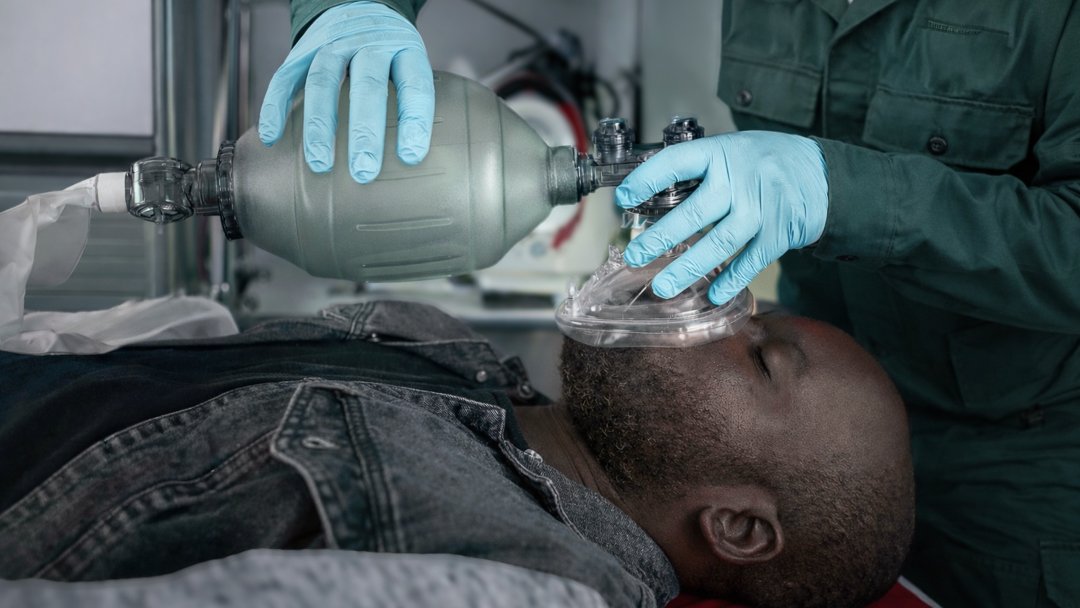
The Difficult Airway Course (DAC) from Outreach Rescue goes far beyond intubation. Discover how DAC builds airway decision-making, clinical judgement, and confidence for EMS clinicians managing complex patients.

Outreach Insights
Written by Gareth Williams
Senior Clinical Lecturer, Outreach Rescue
Why DAC is often misunderstood
As airway guidance continues to evolve, many ambulance clinicians now associate The Difficult Airway Course (DAC) with a skill they may rarely perform: intubation. With increased governance around where and when intubation can take place, it is easy to assume the course has become less relevant.
That assumption misses the point.
“Airway management starts with judgement, not equipment.”
Intubation is discussed on DAC, but it is not the focus. The course is about understanding airways in their entirety; how they fail, how patients deteriorate, and how clinicians can make safer decisions long before advanced interventions are considered.
The airway problem was never the tube.
In prehospital care, airway problems are rarely simple technical challenges. They are time-critical, unpredictable, and often occur in physiologically unstable patients. The real challenge is not placing a tube, but deciding what the airway needs in that moment.
DAC places strong emphasis on:
- Early airway assessment
- Recognising risk and deterioration
- Selecting appropriate airway strategies
- Avoiding fixation on a single technique
This reflects modern EMS practice, where maintaining oxygenation, protecting physiology, and avoiding harm often matter more than any individual procedure.
“Airway management is a decision-making discipline, not a device-driven skill.”
More than intuition: DAC and modern airway practice
Airway management is not guided by instinct alone. Across the UK, most clinicians work within local NHS Trust airway policies, each setting expectations around assessment, escalation, and governance. While these policies differ by organisation, they are consistently informed by recognised best practice.
At the centre of that practice sit the Difficult Airway Society (DAS) guidelines, which provide a structured framework for managing the difficult airway. Their focus is not devices, but preparation, oxygenation, clear decision-making, and knowing when to move on.
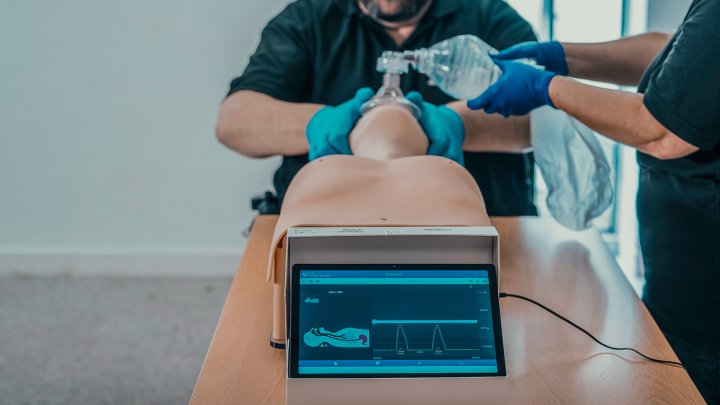
DAC aligns with DAS
Rather than relying on intuition or habit, the course teaches clinicians how to think about airways in a structured, defensible way. Participants learn to assess risk early, plan effectively, and adapt as patient physiology and conditions change, regardless of whether intubation is within their scope of practice.
Through realistic simulation and complex scenarios, DAC helps clinicians understand why airway strategies succeed or fail, moving practice away from “what feels right” towards decisions grounded in physiology, human factors, and recognised airway frameworks.
“Good airway management is predictable, not instinctive.”
A 16-hour course grounded in real-world EMS experience
Delivered over 16 hours, DAC combines structured teaching with practical application. The course is led by expert faculty who understand the realities of prehospital care; limited space, limited time, environmental challenges, and the pressure of high-stakes decision-making.
Learning is hands-on and delivered in small groups using proven airway devices. The aim is not unnecessary escalation, but better judgement. Participants develop clarity around:
- When to intervene
- When to pause
- When to change approach
- When less is safer
This balanced focus supports clinicians working across a range of scopes of practice.
Decision-making under pressure with Code Airway™ simulation
A defining element of DAC is the use of Code Airway™ simulation scenarios. These are not scripted success stories. They are designed to reflect the uncertainty, stress, and cognitive load of real airway emergencies.
“You don’t rise to the occasion. You fall to your training.”
Participants are challenged to manage evolving situations, communicate effectively, and adapt when plans do not work. This is where airway theory becomes practical judgement. A skill that remains relevant regardless of changing intubation policy.
Managing high-risk airway patients safely
DAC exposes clinicians to some of the most demanding airway scenarios encountered in prehospital care, including raised intracranial pressure, pulmonary oedema, cardiogenic shock, severe asthma, foreign body airway obstruction, direct airway trauma, and multiple trauma with shock.
By working through these cases in a no-risk environment, clinicians can explore how patients compensate, why airways fail, and when intervention may cause harm rather than help.
“Restriction of a skill does not reduce airway risk.”
Why DAC matters more, not less, in modern EMS
As airway practice becomes more tightly governed, the need for strong assessment and decision-making has increased. Clinicians are expected to recognise problems early, manage deterioration effectively, and operate confidently within their scope of practice.
DAC supports this shift by building:
- A deeper understanding of airway physiology
- Confidence in core airway management
- Safer escalation and fallback strategies
- Stronger team communication under pressure
The Difficult Airway Course is not about teaching clinicians to intubate more often. It is about helping them make better airway decisions, whatever tools they have available.
For today’s EMS clinicians, DAC offers something far more valuable than a single skill: clinical judgement that holds up when conditions are far from ideal.
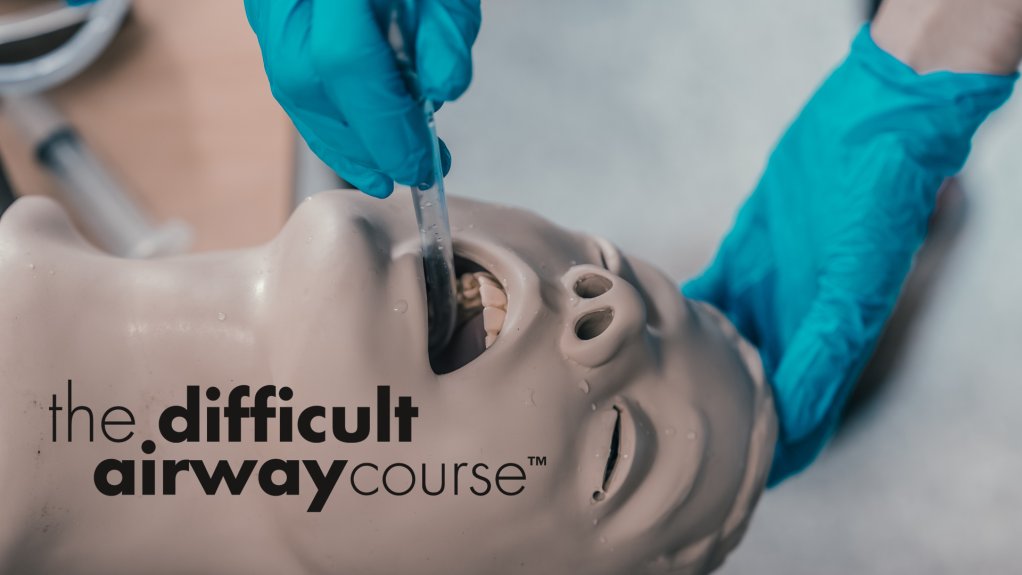
Learn more about The Difficult Airway Course
The Difficult Airway Course is designed for EMS clinicians who need confidence, structure, and sound judgement when airway decisions matter most.
View Course