

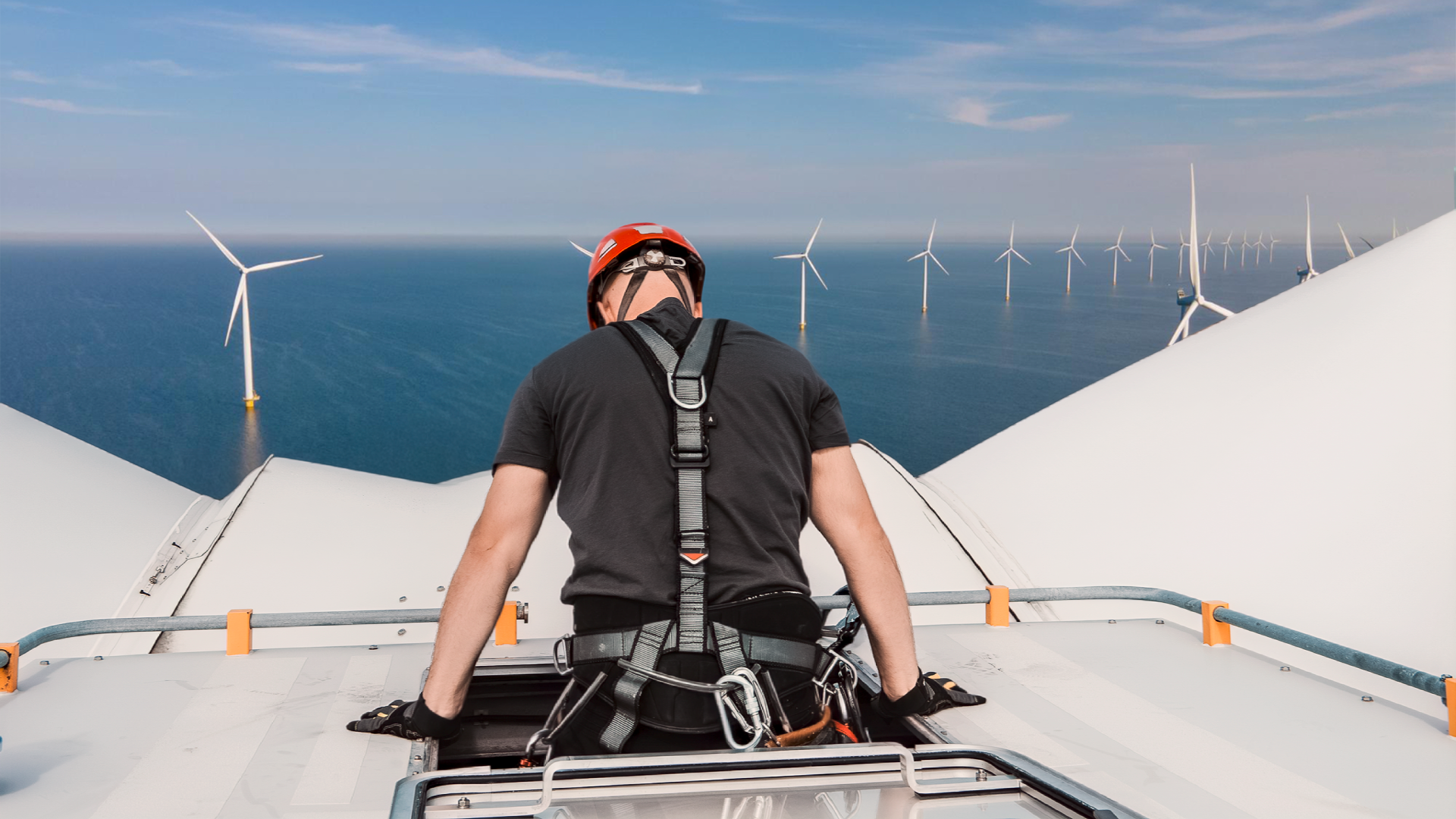
Wales is entering a decisive phase in offshore wind, opening the door to long-term careers at sea for those ready to work at height, in challenging conditions, and as part of a safety-driven industry shaping the UK’s energy future.
Two Welsh offshore wind projects have secured government backing as part of the UK’s largest ever renewables auction, unlocking billions of pounds in investment and supporting thousands of skilled jobs nationwide. For anyone considering a career in wind, the direction of travel is clear.
Wales’ offshore wind: the facts behind the headlines
According to the Department for Energy Security and Net Zero, the latest Contracts for Difference (CfD) auction has secured 8.4GW of offshore wind capacity — the largest auction of its kind in Europe. This is enough clean electricity to power the equivalent of more than 12 million homes, delivered at a strike price around 40% lower than the cost of building and operating a new gas power plant.
“A record 8.4GW of offshore wind has been secured in Europe’s biggest ever offshore wind auction — enough clean electricity to power the equivalent of over 12 million homes.”
UK Department for Energy Security and Net Zero
The results unlock approximately £22 billion in private investment and are expected to support around 7,000 skilled jobs across the UK, keeping the country on track to deliver clean power by 2030 while reducing reliance on imported energy.
Wales at the centre of offshore wind growth
Wales secured two of the eight successful offshore wind projects in the auction, marking a significant step forward for the nation’s role in the UK’s energy transition.
Awel y Môr (North Wales)
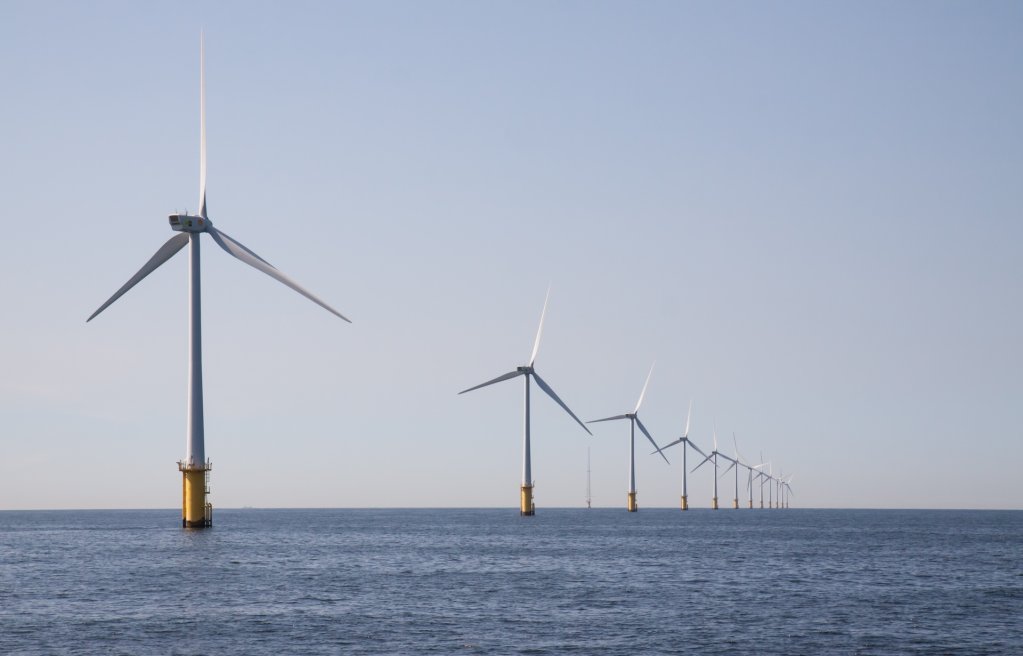
Awel y Môr, off the north Wales coast near Rhyl, is the first Welsh offshore wind project in more than a decade to win government backing. The fixed-bottom wind farm will be located around 10km offshore, next to the existing Gwynt y Môr site, and forms part of a wider project pipeline expected to support thousands of jobs, including around 2,000 roles during construction.
Erebus (Pembrokeshire, Celtic Sea)
In south-west Wales, Erebus will become Wales’ first floating offshore wind project. Led by Blue Gem Wind, the test and demonstration project is planned to deliver 96MW of capacity from around 45km offshore in the Celtic Sea. Erebus is widely described as a pathway project, helping to establish floating wind capability, infrastructure, and workforce skills in Wales.
According to Business News Wales, the two Welsh projects together could generate enough clean electricity to power almost one million homes, representing around £2.6 billion of investment for Welsh coastal and industrial communities. Both projects are expected to be delivered by 2031, reinforcing Wales’ long-term role in offshore wind.
Why this matters if you’re considering a career in wind
Offshore wind is not a short-term construction exercise. Wind farms typically operate for 20 to 25 years, creating sustained demand for people who can work safely at height, support inspection and maintenance activity, and operate confidently in offshore environments.
“As offshore wind grows, the industry’s focus shifts to competence, safety, and rescue preparedness — and that starts with recognised training.”
As capacity grows, the industry’s focus increasingly shifts to competence, safety, and rescue preparedness. This is where compliant, professional training becomes essential for those looking to enter the sector.
Transferable skills: experience that fits offshore wind
Offshore wind does not require a fresh start. Many roles are filled by people bringing proven skills from related industries.
Electricians, mechanics, fabricators, joiners, plumbers, maritime crew, and offshore oil and gas workers often already meet key requirements; experience with mechanical and electrical systems, safe systems of work, and operating at height or offshore.
Why now is the right time to arrange GWO training
As projects move from funding into delivery, developers and supply chain companies begin building teams early. Many wind roles require candidates to arrive site-ready, with recognised Global Wind Organisation (GWO) training already in place.
Arranging training early helps you stay ahead of demand, avoid course availability bottlenecks, and demonstrate readiness to employers in a competitive market.
What GWO training prepares you for
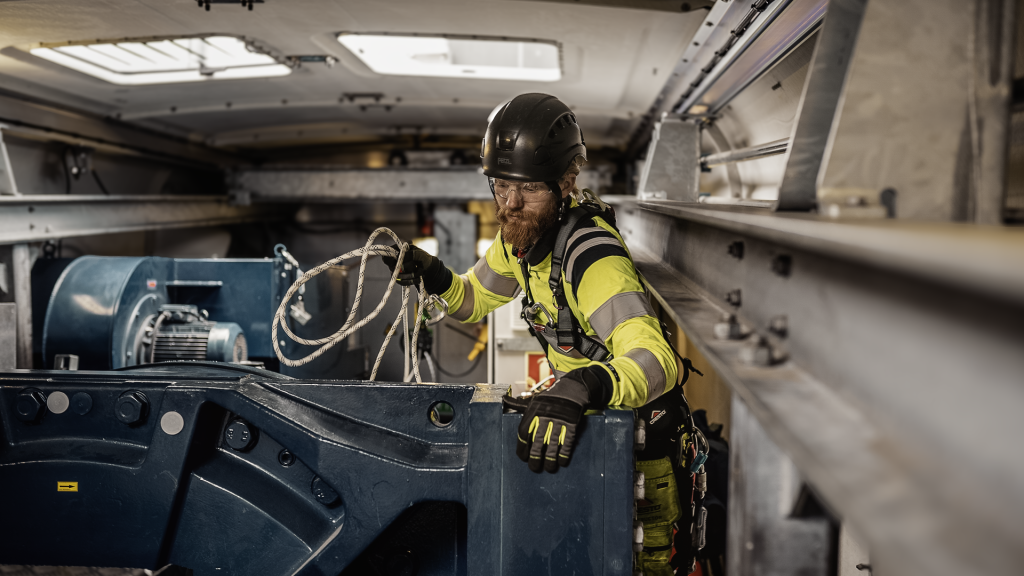
GWO training is designed for the realities of wind turbine work, preparing you to operate safely in challenging environments. Training covers working within towers and nacelles, controlled descent and rescue preparedness, confined access routes, and Sea Survival skills for offshore wind environments.
The aim is not just compliance, but confidence under pressure.
Arrange GWO training in South Wales
Wales’ offshore wind pipeline is moving from announcement to delivery. Employers increasingly expect technicians and support staff to arrive trained, current, and ready to work.
Outreach Rescue delivers GWO training from its Raglan facility in South Wales, supporting people entering the wind sector as well as those maintaining certification. Training is practical, scenario-led, and delivered by instructors with real-world rescue experience.
Ready to work in wind?
If you’re preparing for a career in wind — or for upcoming offshore projects — now is the right time to take the next step.
Not sure which course is right for you? Outreach Rescue can help you identify the correct GWO training for your role and experience level.